The Difference Between Skill Based And Chance Based Rewards
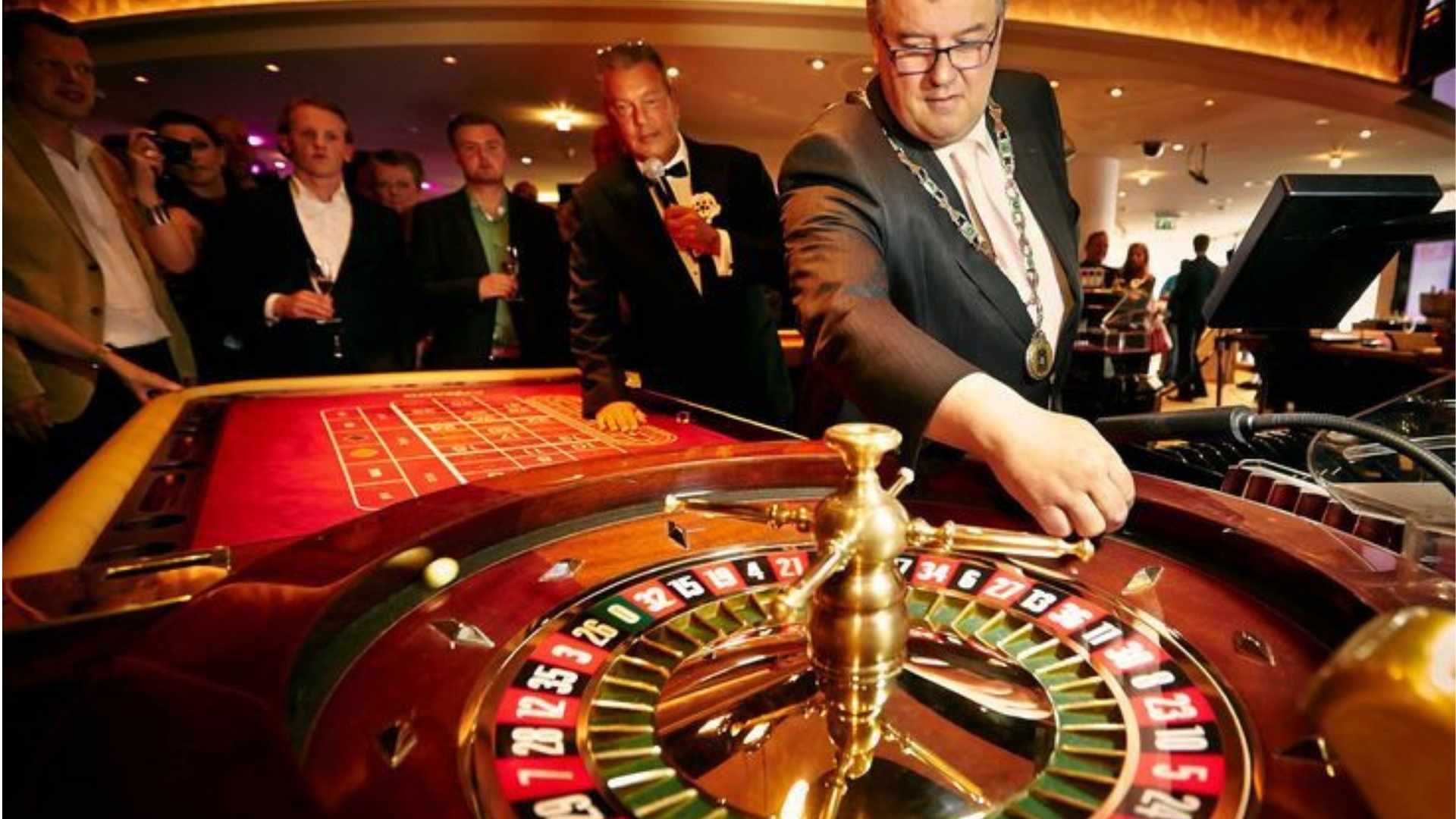
Modern gaming and incentive platforms rely heavily on reward structures to maintain high user engagement and satisfaction. Understanding how skill-based mechanics differ from chance-based systems helps players make informed choices about where to invest their time. Each reward style offers a distinct psychological appeal and caters to different player motivations.
Defining Skill Based Reward Mechanics
Skill-based rewards are directly tied to a player's ability, strategy, and overall proficiency within a game. Achieving specific milestones, mastering complex puzzles, or defeating competitive opponents yields tangible advancement. This direct correlation creates a strong sense of personal ownership over earned prizes.
Because outcome control rests with the user, skill-driven systems encourage long-term dedication and practice. Players often experience deep satisfaction when overcoming difficult obstacles to unlock exclusive bonuses. These platforms reward consistency, decision-making, and tactical learning over time.
Understanding Chance Based Reward Systems
Chance-based systems rely entirely on randomized outcomes, probability, and unpredictable luck mechanisms. Features such as mystery prize boxes, spin wheels, and random drop rates define this incentive category. The excitement stems from the anticipation of unexpected rewards regardless of overall gaming experience.
These mechanisms provide quick thrills and immediate gratification for casual players seeking low-pressure fun. Anyone can secure top-tier items on their first attempt without spending hours mastering complex gameplay rules. However, the lack of control means outcomes are entirely unpredictable over extended sessions.
Psychological Impact on Player Engagement
The motivation behind playing skill-based games differs significantly from participating in probability-driven events. Skill-focused players seek mastery, self-improvement, and structured accomplishment during their gaming sessions. Meanwhile, chance-oriented users enjoy mystery, surprise, and unpredictable outcomes that break up routine play.
To access various online platforms and explore current trends, users often complete a www m88 com login to check available options. Balancing both reward types allows digital applications to appeal to a wider demographic of active gamers. Combining effort-driven goals with surprise bonuses maintains optimal audience retention.
Choosing the Right Reward Model for Your Playstyle
Selecting between skill and chance depends heavily on personal preferences, available free time, and desired gaming goals. If you enjoy strategic planning, progression tracking, and personal growth, skill-based games offer the most fulfilling route. These options ensure that your dedication directly determines your rate of success.
Conversely, if you prefer relaxed gaming without steep learning curves, chance-based rewards offer instant excitement. Many modern applications blend both frameworks, granting daily luck bonuses alongside achievement challenges. Evaluating how a platform structures its incentives helps ensure a fun and balanced experience.